Today: 8:30AM - 7:00PM
Blog / Novato Kia Service

The Ultimate Guide to Kia Scheduled Maintenance: What You Need to Know

Looking after your Kia requires both routine maintenance services at your local Kia dealer and prompt responses to early warning signs of a fault. If you get the following essential Kia maintenance tasks carried out regularly, you're less likely to experience a roadside breakdown or accident. Your car will last longer in great shape, and you'll also save money on costly repairs down the road. 

The Most Frequent Maintenance Tasks

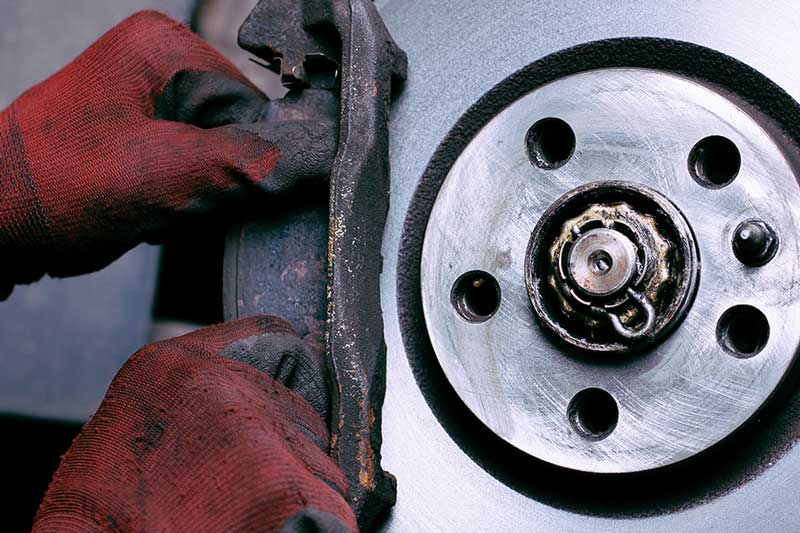
Let's look first at the services that need to be scheduled most frequently. Along with monthly tire pressure checks at home, it's important to have your tires rotated and inspected twice a year at your local dealership. Your safety also requires reliable brakes, which should be examined every six months by a professional who can replace worn-out brake pads and rotors as required. 

Motor oil needs to be changed at similar intervals to keep your engine in good working order. During these biannual oil changes, the technician will also change the oil filter if it's clogged up. Your coolant and other essential vehicle fluids should also be regularly checked to ensure they're in good condition and at suitable levels; a trusted technician can flush any fluid that deteriorates or becomes contaminated. Your car's bodywork should also be waxed twice a year. 

Longer-Term Maintenance Tasks

In the longer term, both your cabin and engine air filters will probably need to be replaced every year to keep fresh oxygen flowing into your vehicle. Car wheels slowly become misaligned over time and typically need to be professionally realigned every two or three years; do this more frequently if you notice any worsening in your handling and steering. 

Spark plugs are crucial to your engine's performance and should be inspected and replaced as frequently as your owner's manual recommends. Car batteries also serve a vital function and tend to last from three to five years; keep a close eye on your battery as it ages and get a replacement when it starts to fail. Serpentine belts need to be replaced every 50,000 to 100,000 miles and tires usually last four to six years before replacements are required. 

Maintenance Tasks As the Seasons Change 

The most important seasonal maintenance involves preparing a car for winter. It's advisable to install special winter windshield wipers and also make sure your coolant is the appropriate type to resist freezing temperatures. You'll also need to install winter tires and check your battery frequently throughout the colder months; low temperatures can deal a lot of harm to car batteries.  

Set Up a Routine Schedule at Your Local Kia Dealership

All these maintenance tasks can be a little overwhelming for some drivers. The technicians at your local dealership can arrange a suitable schedule and then send you polite reminders whenever an upcoming visit is due. This helps take the stress out of keeping your car in great condition.  

Visit Kia Marin today in Novato, CA, to schedule all the essential vehicle services you need to keep your car in tip-top condition. We're a local full-service dealership providing the region's drivers with consistently excellent cars, maintenance services, and customer care, whatever your automotive needs might be. 
Posted in:

Related Posts

7 Signs Your Kia Needs a Transmission Service

When shifting gears, listen out for strange noises, which are often the first indication of transmission problems. Given how crucial your transmission is to the proper operation of your car, never hesitate to visit your local Kia dealership for transmission service if you think your car needs it. There are many more warning signs of trouble in the gearbox, as outlined below. Grinding Sounds If your gearbox starts emitting metallic grinding sounds when you shift, an internal component such as the gears or synchronizer rings may have become worn out or damaged. Alternatively, the transmission fluid may be low or degraded. Whining Sounds Automatic transmissions sometimes start to whine when the fluid is low and no longer provides proper lubrication or hydraulic pressure. A faulty torque converter might also create a whining noise. Ask a technician to diagnose the cause of any odd sounds you hear. Delayed Engagement Occasionally, a malfunctioning gearbox can seem hesitant to shift, leaving a delay of a few seconds before the new gear fully engages. This may result from low or bad fluid, which is often the cause of gearbox problems. Delayed shifting might also be caused by faulty control module, transmission filter, transmission bands, or issues with the clutch. Slipping Gears If a transmission problem worsens, it may result in slipping gears. Here, the gears could change or slip into neutral all on their own, causing a safety hazard that should be remedied at once. Sticking Gears More serious faults can also prevent the gears from shifting at all. If your gears stick and refuse to shift, there may be a malfunction with the shift linkage wire, torque converter, clutch packs, or fluid. Revving While Shifting With any of the above issues, the engine is likely to rev loudly as it struggles to deliver power to the wheels despite a faulty transmission. This sometimes feels like trying to accelerate on ice. Dripping Transmission Fluid Have you noticed a puddle of reddish fluid under your car? If so, you may have a transmission fluid leak on your hands. It's unwise to drive until the leak has been repaired and the fluid topped up. As you can see from these tips, diminished fluid is the most common cause of gearbox trouble. Visit Your Kia Dealership To Have Your Gearbox Checked Your transmission should ideally be inspected by a professional every 60,000 miles, as long as it's an automatic transmission. The fluid will need to be flushed every 60,000 to 100,000 miles. Manual transmissions require more frequent servicing than this. Have your car's gearbox serviced today at Kia of Marin in Novato, CA.

The Ultimate Service Checklist for Maintaining Your New Kia

Maintaining a new Kia takes more than just keeping it clean. If you're unsure of where to start, here's a detailed service checklist. You can have all necessary maintenance services promptly carried out at your local Kia dealership. The Ultimate Service Checklist for Maintaining Your New Kia Oil Changes Your engine needs consistently fresh, high-quality motor oil, which lubricates and cleans the internal parts. You'll need to change your oil twice a year, or more often if you put your engine under excessive strain with regular short trips of under five miles or long commutes in heavy traffic. Fluid Flushes Coolant needs to be checked and topped up frequently and flushed entirely every 30,000 miles or so. Likewise, the brake fluid, transmission fluid, differential fluid, power steering fluid, and windshield washer fluid all must be carefully maintained and kept fresh. Filter Replacements The air filter keeps dirt, insects, and other contaminants out of the airflow but gradually becomes clogged up. You'll need to replace your engine air filter once a year on average. The cabin air filter usually needs replacing with a similar interval. Brake Inspections Your brakes undergo a great deal of continual pressure, which steadily wears down the pads and rotors. These essential brake parts must be replaced periodically; watch out for symptoms of worn-out brake pads and rotors, such as squealing sounds or vibrations through the brake pedal. In addition, biannual brake inspections with a trusted technician will help catch any faults or brake fluid leaks early on. Tire Rotations Braking, acceleration, and steering precision all depend on the tires. As tires tend to wear down unevenly, you'll need to have yours rotated twice a year or more. In addition, check tire air pressure once a month and install new tires as soon as the old tire treads near 2/32 of an inch in depth. Windshield Wiper Changes The windshield wipers are often overlooked but vital for good visibility in poor weather conditions. It's advisable to replace your windshield wipers once or twice a year. Battery Replacements Without a fully functioning battery, the electronics throughout your car will falter and fail. Most notably, the starter and spark plugs won't be able to start the engine. You're likely to need a new battery every three to five years. Book Routine Services at Your Kia Dealership Our friendly, experienced technicians will be happy to set up a suitable maintenance schedule for your car. With courteous reminders, we can help to ensure you never miss a service, thereby keeping your car in tip-top condition for as long as possible. Visit Kia of Marin in Novato, CA, today to have your car serviced by qualified technicians. We're a local full-service dealership offering a one-stop shop for all your automotive needs.

Kia battery replacement

6 Signs Your Kia's Battery Needs Replacement

Once your car battery first shows signs of age, it's unlikely to last much longer. Don't hesitate to visit your Kia dealership for timely battery replacement if you experience the symptoms below. Your Headlights Fade When the battery and alternator are both working well, your headlights will remain bright and stable. However, if your battery weakens, the alternator is left to supply electricity on its own, which will cause the headlights to dim when you're idling and brighten when you're accelerating. Once the engine is turned off, the headlights will fade significantly. more Your Electronics Falter Modern cars have a load shedding system that detects when the supply of electricity falls below the car's demand because of a failing battery. The system restricts power to non-essential electronics first to keep more important components active. Because of this, if your battery goes bad, you'll probably notice the stereo, phone charger, and heated seats slowing down or failing before the headlights and dashboard dials. Your Engine Struggles To Start The starter requires a strong charge of voltage in the morning. If your engine sputters for a few seconds before turning over, you may have a failing battery. Slow engine starts might also result from a faulty starter or bad wiring; have your battery tested to figure out the underlying problem. Your Battery Case Is Swollen It's a good idea to pop the hood and take a look at your battery once in a while. If the casing ever has bulging or warping walls, it's become damaged by vibrations, extreme temperatures, an internal short circuit, or overcharging. A malformed battery needs to be replaced. Similarly, a cracked and leaking battery is unfit for use. Your Battery Terminals Are Corroded If the sulfuric acid inside a battery leaks at the terminals, it reacts with the metal and causes a white or pale green corrosion to develop. A slight amount of this corrosion won't immediately stop the battery from functioning, but as the corrosion develops, electrical resistance builds and starts to prevent power from reaching the rest of your car. It's therefore best to get rid of a corroding battery. Your Battery Is Excessively Old Car batteries usually last from three to five years, and rarely longer. If yours is already older than this, you should probably replace it. Get Timely Battery Replacement at Your Kia Dealership Your Kia will run most smoothly with a fresh, strong car battery. It's advisable to replace yours as soon as you notice these problems. The more you delay, the more trouble a bad battery will cause your car. Have your battery replaced today at Kia of Marin in Novato, CA. We're a community-oriented dealership that puts the customer first.