Today: 8:30AM - 7:00PM
Blog / Novato Kia Dealer

The 2025 Kia EV6 vs. the 2025 Kia EV9: Electric SUV Showdown

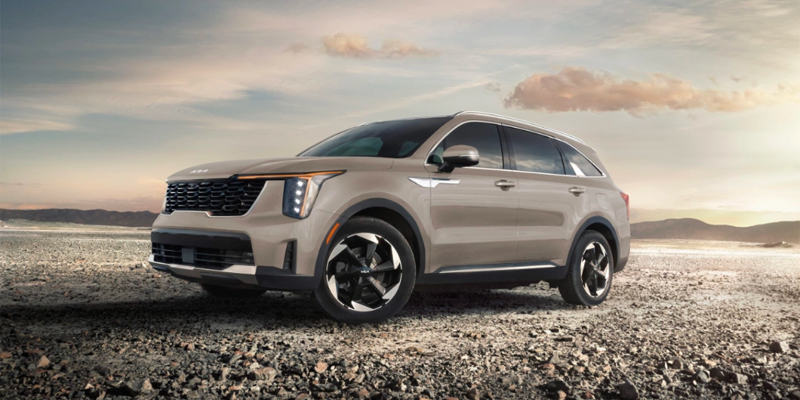
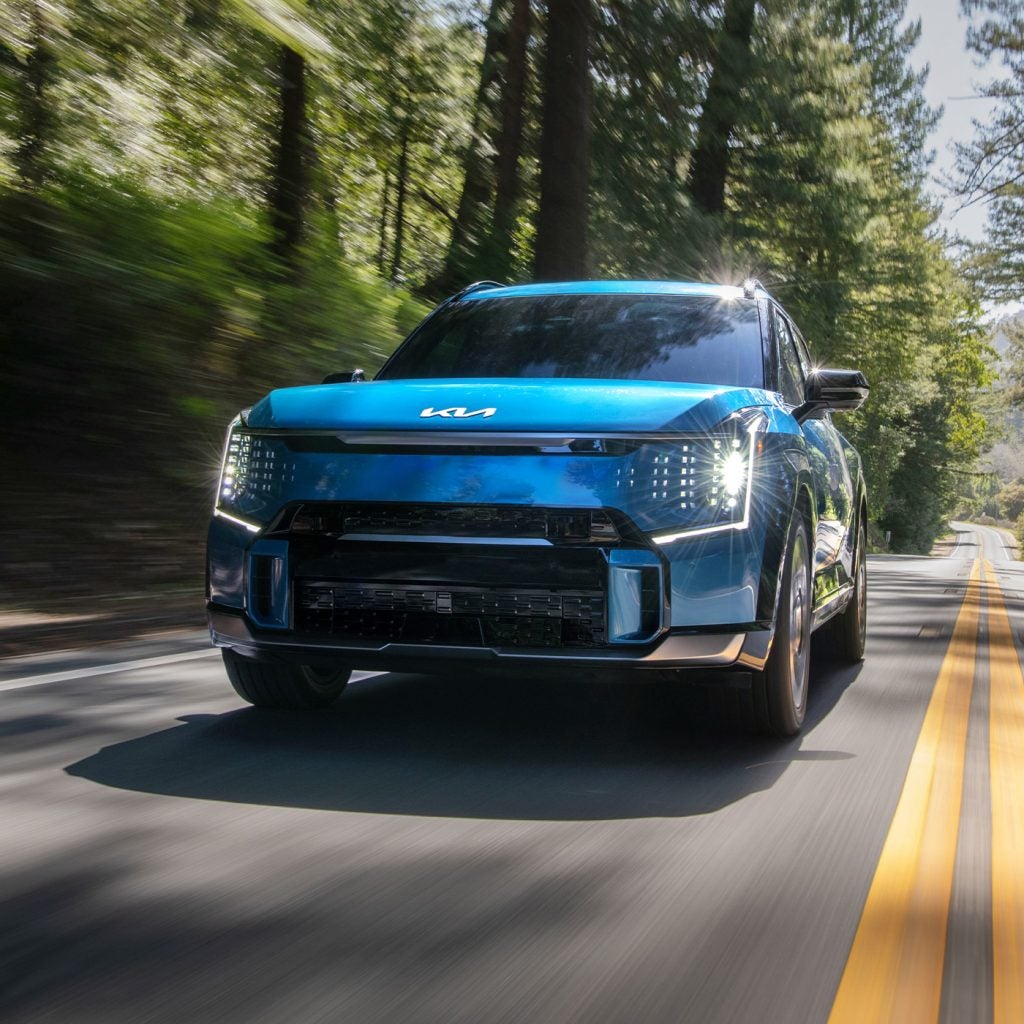
One of the most frequent questions we get here at your Kia dealership is about the differences between the EV6 and EV9. Both are incredible all-electric vehicles, but they offer unique features that cater to different needs.

Segment and Seating Capacity

The EV6 and EV9 are made for different kinds of drivers. The EV6, the smaller of the two, is ideal for anyone who wants an everyday five-seater crossover with a wagon/ hot hatch vibe. The EV9, on the other hand, is the EV6's bigger sibling, offering seating for six when equipped with second-row captain's chairs or seven with the standard second-row bench seats.

Now, let's put the spaciousness of this vehicle into perspective. It has more passenger room than the 2024 Tesla Model X and 2024 BMW X7, and it outshines the 2024 Rivian R1S when it comes to cargo space behind the third row. Simply put, the EV9 has space for everyone and everything.

Battery, Range, and Charging

For 2025, the EV6 gets a boost with larger battery options: the standard 63 kWh battery (up from 58 kWh) and the available 84 kWh battery. The 84 kWh unit is expected to offer 319 miles of range in Light LR, Wind, and GT-Line trims with rear-wheel drive. Similarly, the EV9 offers two battery options: the standard 76.1 kWh battery that's good for 230 miles and the 99.8 kWh option that delivers up to 304 miles of range.

Ultra-fast charging continues to be a key feature of both the EV6 and EV9, with the EV9 juicing up from 10 to 80% in as little as 24 minutes. The EV6 might be a tad quicker, thanks to its smaller batteries. A welcome update for both models is the adoption of the North American Charging Standard (NACS) port, making charging more convenient than ever.

Performance

The performance of the EV6 spans a wide range, starting at 167 horsepower and 258 lb.-ft of torque on the entry-level model, all the way up to a thrilling 601 horsepower and 545 lb.-ft of torque in the GT trim. Given the EV6's compact size, that kind of power makes for a seriously fun ride.

In contrast, the 2025 EV9 starts at 201 horsepower and 258 horsepower on the Light Long Range RWD trim (the base model gets a bit more power at 215 hp). It maxes out at 379 horsepower and 443 lb.-ft of torque during normal operation, but with the boost mode engaged, peak torque jumps to 517 lb.-ft, giving you a nice punch of acceleration. In fact, the EV9 can hit 0-60 mph in just 4.5 seconds!

There's so much to say about these EVs, but why not come by Kia of Marin in Novato, CA, and see them in person? We'll let the cars do the talking, and we're sure you'll be impressed once you take a closer look.


Posted in:

Related Posts

How to Budget for a Car Without Letting the Monthly Payment Fool You

How to Budget for a Car: A Step-by-Step Guide 

How to Budget for a Car Without Letting the Monthly Payment Fool You Buying a car becomes considerably easier when you decide what you can afford before deciding what you want. A monthly payment on its own doesn't tell you much. Insurance, fuel, maintenance, registration, interest, and the length of the loan all contribute to what the vehicle will cost. For drivers around Novato, CA, building a car budget before browsing new Kia inventory can help narrow the search to vehicles that fit both your needs and your finances. Step 1: Work Out What You're Already Spending Start with monthly take-home income, then subtract housing, utilities, food, debt payments, savings, and other regular expenses. What's left gives you a more realistic idea of how much room exists for a vehicle. One commonly cited budgeting guideline is to keep total transportation costs—including the car payment, insurance, fuel, and other vehicle expenses—within roughly 15% to 20% of take-home pay, but that's a guideline, not a universal rule. Someone with substantial housing costs or other debt may need to stay below it. The important part is calculating the entire vehicle expense instead of deciding that a certain monthly car payment simply sounds affordable. Step 2: Set the Budget Before Shopping for the Car Once you know what your monthly finances can support, work backward to establish a purchase range. If you're financing, the down payment, interest rate, and loan term all affect the monthly figure and total amount paid. Putting more money down can reduce the amount financed and the interest paid over the loan, although buyers should avoid emptying emergency savings simply to reach an arbitrary percentage. A shorter loan term generally means larger monthly payments but less total interest, while stretching the loan across more years can make the payment look smaller without making the vehicle cheaper. Exploring Kia financing options before settling on a model can make these differences easier to compare. Step 3: Remember That Cars Continue Costing Money After You Buy Them Purchase price is only the beginning. Insurance premiums can vary substantially between vehicles, and fuel, registration, tires, and routine vehicle maintenance need space in the budget as well. Buyers considering a Kia hybrid or Kia plug-in hybrid should compare energy costs based on how and where they'll drive instead of assuming one powertrain will automatically produce the lowest ownership expense. Before signing anything, estimate the monthly payment alongside insurance and expected fuel costs, then leave room for scheduled Kia service and occasional repairs. A vehicle that fits the payment but leaves no room for ownership costs doesn't truly fit the budget. Step 4: Compare Financing Before You Commit Getting pre-approved through a bank or credit union can provide an interest rate and borrowing limit to compare against dealership financing. Check your credit reports and scores beforehand, because credit history can influence the annual percentage rate offered by lenders. Compare the APR, loan term, amount financed, monthly payment, and total interest instead of focusing on a single number. Manufacturer incentives and special financing programs may also be available on eligible models, so check current Kia offers and incentives when you're ready to shop. A lower APR can make a meaningful difference across several years of payments. A Few Questions Are Worth Answering Before You Shop How much should you put down? There isn't one percentage that fits every buyer, although 10% to 20% is a commonly suggested range. A larger down payment reduces the amount financed, but maintaining adequate savings still matters. Does credit affect the interest rate? Generally, yes; lenders consider credit along with other factors when determining loan terms. Lease or buy? Leasing and purchasing have different cost structures, mileage considerations, ownership outcomes, and restrictions, so compare both against how long you expect to keep the vehicle and how much you drive. And if you already own a car, getting a trade-in value can help you understand how much equity may be available to apply toward the next purchase. Build the Budget, Then Find the Kia The best time to work out your vehicle budget is before a salesperson hands you the keys. Novato, CA, drivers can browse new Kia vehicles at Kia of Marin, compare models such as the Kia Sorento, Kia Sportage, and Kia K4, explore available finance options, and estimate the value of a current trade before choosing a vehicle. Once you've narrowed the search to models that fit both the budget and the job, schedule a test drive online and see which one makes sense from behind the wheel.

How to Budget for a Car: A Complete Guide for Planning Your Next Vehicle Purchase

How to Budget for a Car: A Complete Guide for Planning Your Next Vehicle Purchase

Buying a car is an important financial decision that requires more than choosing a model you like. A well-planned car budget helps you understand what you can comfortably afford, prepare for ownership expenses, and select a vehicle that fits your lifestyle without creating unnecessary financial stress. Whether you are purchasing your first vehicle, upgrading to a newer model, or replacing your current car, understanding the costs involved can make the process easier. Creating a realistic budget allows you to compare vehicles, explore financing options, and make a decision based on your overall financial situation. Determine How Much You Can Afford Before Shopping Before visiting a dealership or browsing available vehicles online, take time to review your current finances. A car budget should account for more than just the monthly payment. It should include expenses associated with owning and maintaining a vehicle over time. Start by reviewing your monthly income, existing expenses, and financial goals. This can help you determine how much room you have available for a vehicle purchase while maintaining your other responsibilities. Important factors to consider include: Monthly income and current expenses. Existing loan or credit obligations. Savings goals and emergency funds. Transportation needs and driving habits. Expected vehicle ownership costs. A vehicle that fits your budget should provide reliable transportation while allowing you to maintain financial flexibility. Understand the True Cost of Owning a Vehicle Many buyers focus only on the purchase price or monthly payment when creating a car budget. However, vehicle ownership includes several additional expenses that should be considered before making a decision. The total cost of owning a vehicle can include: Monthly loan payments. Auto insurance premiums. Fuel or charging costs. Routine maintenance. Repairs and replacement parts. Registration and taxes. Tires and other wear items. Understanding these expenses helps you create a more accurate budget and choose a vehicle that aligns with your long-term plans. Consider Your Down Payment and Trade-In Value A down payment can play an important role when purchasing a vehicle. Providing money upfront may reduce the amount financed and can help structure your loan around your preferred budget. If you currently own a vehicle, a trade-in can also help offset the cost of your next purchase. The value of your trade-in depends on factors such as mileage, condition, vehicle history, and current market demand. Before shopping for your next vehicle, consider: How much you can comfortably put toward a down payment. The estimated value of your current vehicle. Whether selling or trading in makes the most sense. How your trade-in may affect your financing options. Estimate Your Monthly Car Payment Understanding your potential monthly payment can help you narrow your vehicle search. Monthly payments are influenced by several factors, including the vehicle price, loan amount, interest rate, down payment, credit history, and loan term. Before choosing a vehicle, consider what monthly payment fits comfortably within your budget. Leaving room for insurance, maintenance, fuel, and unexpected expenses can help you manage ownership costs more effectively. When reviewing financing options, consider: The length of the loan term. The total amount financed. Available interest rates. Your credit history. Your preferred payment range. A finance professional can help explain available options and answer questions about the vehicle financing process. Choose a Vehicle Based on Your Needs A realistic car budget should also consider how you plan to use your vehicle. A vehicle that meets your current needs can provide better long-term value than choosing a model based only on appearance or additional features. Think about your daily driving habits and what you need from your vehicle. Consider: How many passengers you typically carry. Your daily commute distance. Cargo and storage requirements. Towing or hauling needs. Desired technology and safety features. For example, a compact vehicle may be ideal for drivers focused on efficient commuting, while an SUV may better fit drivers who need additional space and versatility. Research Financing Options Before Buying Understanding financing before visiting a dealership can help you feel more prepared during the buying process. Auto loans are available through different lenders, and available terms can vary based on credit history, income, vehicle selection, and other factors. Many dealerships provide online finance tools that allow shoppers to begin the process before arriving. These resources can help you understand available options and prepare questions for the finance team. Helpful financing steps include: Reviewing your credit information. Determining your preferred loan term. Exploring pre-approval options. Comparing available financing solutions. Understanding all loan details before signing. Plan for Maintenance and Long-Term Vehicle Costs A vehicle budget should include the cost of maintaining your car after purchase. Routine service helps keep your vehicle operating properly and can help prevent larger repair concerns in the future. Maintenance costs vary by vehicle type, driving habits, and manufacturer recommendations. Following the recommended service schedule can help protect your investment. Common maintenance expenses include: Oil changes. Tire rotations and replacements. Brake inspections. Battery replacement. Scheduled service appointments. Planning for these expenses from the beginning can make vehicle ownership more manageable. Avoid Stretching Your Budget Too Far It can be tempting to choose a vehicle with every available feature, but selecting a car that fits comfortably within your budget is an important part of responsible ownership. Before making a decision, consider whether the vehicle payment and ownership expenses fit your current financial situation. Choosing a vehicle that provides the features you need while staying within your budget can help create a more positive ownership experience. How Kia of Marin Can Help You Plan Your Vehicle Purchase At Kia of Marin in Novato, CA, shoppers can explore a variety of new Kia vehicles and receive assistance throughout the purchasing process. From comparing models to discussing financing options, the team can help you understand your choices. Whether you are looking for a commuter-friendly sedan, a versatile SUV, or a vehicle with advanced technology features, creating a budget first can help you find the right Kia for your needs. A prepared buyer can approach the vehicle shopping process with confidence by understanding costs, exploring financing options, and selecting a vehicle that fits their lifestyle.

2025 Kia Sorento Plug-In Hybrid

Efficiency Meets Utility: The 2025 Kia Sorento Plug-in Hybrid

Efficiency and utility collide in the 2025 Kia Sorento Plug-in Hybrid. Kia's midsize SUV is available in two outstanding trim configurations: the EX and SX Prestige. We delve into the details of each Sorento Hybrid model to help you understand the differences between them. Trim Levels of the 2025 Kia Sorento Plug-in Hybrid 1. EX The lineup kicks off with the EX: a very impressive entry-level Sorento. At its heart is a plug-in hybrid power unit consisting of a 1.6-liter turbo engine and an electric motor that together produce 261 horsepower and 258 pound-feet of torque. This efficient setup also gives you a 31-mile all-electric range and an estimated 74 MPGe fuel economy. Exterior Highlights The Sorento is a smart, modern-looking SUV, with the EX boasting a gloss black grille, automatic LED projector headlights, daytime running lights, and 19-inch machined alloy wheels with gloss black inserts. Kia's base trim also comes with many premium features, such as a power liftgate, roof rails, and heated side mirrors. Interior Highlights Inside, SynTex leatherette lines the seats, including the heated 10-way power-adjustable driver's seat and the eight-way power passenger seat, both of which feature two-way lumbar support. Second-row occupants enjoy the comfort of individual captain's chairs, and everyone benefits from the dual-zone climate control. Infotainment is provided by a 12.3-inch touchscreen with integrated navigation, Wi-Fi hotspot capability, and wireless smartphone connectivity. Drivers view information on a 4.0-inch instrument display and receive assistance from a suite of standard technologies, including blind-spot warning, rear cross-traffic collision avoidance, front and rear parking sensors, and navigation-based smart cruise control. 2. SX Prestige Next is the SX Prestige, a more luxurious Sorento that introduces more convenient features, including LED taillights, rain-sensing windshield wipers, and a panoramic sunroof. The plush interior is now lined in embossed and perforated leather and has a SynTex suede headliner. The front seats become ventilated, while those in the second row gain a heat function. Everyone benefits from the upgraded sound quality delivered by the 12-speaker Bose audio system. A comfort boost sees drivers enjoy a 14-way seat with four-way lumbar adjustment and two-way thigh extension. Drivers also receive a heated steering wheel, aluminum sport pedals, and a larger 12.3-inch curved instrument panel. An expansion of the safety system gives you side parking sensors, a surround-view monitor, and a blind-spot monitor. There's also a forward and blind-spot collision avoidance system, which will take evasive action if a potential impact is detected. Whether you opt for the budget-friendly EX or the premium SX Prestige, you'll receive a midsize SUV that perfectly combines efficiency and utility. Contact us or visit Kia of Marin in Novato, CA, today to check out both Sorento models and find the one that best suits your needs.